Rediscovering Forgotten Classics: Hidden Gems of Literature
- Avani

- Feb 7, 2024
- 6 min read
In the vast realm of literature, there exists a treasure trove of forgotten classics—works that have slipped through the cracks of time, overshadowed by the fame of their contemporaries. These hidden gems, often relegated to the annals of obscurity, possess a unique allure, waiting to be rediscovered by intrepid readers and scholars alike. In this article, we embark on a journey to unearth these lost and forgotten classics, shining a spotlight on their enduring relevance and cultural significance.
"Stoner" by John Williams : "Stoner" is a novel that epitomizes the concept of a hidden gem. Initially published in 1965 to little fanfare, it languished in obscurity for decades before experiencing a resurgence in popularity. Set against the backdrop of academia, the novel follows the life of William Stoner, a quiet and unassuming professor whose journey through love, loss, and academia resonates with readers on a deeply emotional level. Williams' prose is spare yet profound, capturing the quiet dignity and resilience of the human spirit. Despite its initial lack of recognition, "Stoner" has since been hailed as a masterpiece of American literature, proving that great works endure, regardless of initial reception.

"Kindred" by Octavia Butler : "Kindred" is a groundbreaking work of speculative fiction that defies easy categorization. Published in 1979, the novel follows the story of Dana, a young black woman who finds herself transported back in time to the antebellum South, where she must confront the horrors of slavery firsthand. Butler's unflinching portrayal of race, power, and identity challenges readers to confront uncomfortable truths about America's past and present. Despite its critical acclaim and enduring relevance, "Kindred" remains underappreciated in the literary canon, overshadowed by more mainstream works of science fiction. Nevertheless, its impact on the genre and its exploration of complex social issues make it a hidden gem worthy of rediscovery.

"The House of the Spirits" by Isabel Allende : "The House of the Spirits" is a sweeping epic that spans generations, weaving together the lives of the Trueba family against the backdrop of political upheaval in Chile. First published in 1982, the novel deftly blends elements of magical realism with political allegory, creating a rich and immersive narrative that explores themes of love, power, and destiny. Allende's lyrical prose and vivid imagery have earned her comparisons to Gabriel García Márquez, yet "The House of the Spirits" remains lesser-known in comparison to his works. Nevertheless, its enduring popularity and critical acclaim have cemented its status as a modern classic, beloved by readers around the world.

"The God of Small Things Arundhati Roy : "The God of Small Things" is a lyrical and haunting novel that transports readers to the lush landscapes of Kerala, India. Published in 1997, the novel follows the lives of fraternal twins Rahel and Estha as they navigate love, loss, and societal expectations. Roy's lush prose and intricate storytelling have earned her widespread acclaim, including the prestigious Booker Prize. However, "The God of Small Things" remains relatively unknown outside of literary circles, overshadowed by more commercially successful works. Nevertheless, its exploration of themes such as caste, gender, and colonialism make it a poignant and timely read, deserving of greater recognition.

"The Awakening" by Kate Chopin : First published in 1899, "The Awakening" is a groundbreaking novel that explores the inner life of a woman trapped in a stifling marriage and society's expectations. Set in turn-of-the-century Louisiana, the novel follows Edna Pontellier as she embarks on a journey of self-discovery and liberation. Chopin's lyrical prose and unflinching portrayal of female desire challenged Victorian-era sensibilities and continue to resonate with readers today. Despite its initial controversy and subsequent obscurity, "The Awakening" has since been recognized as a seminal work of feminist literature.

"The Bridge of San Luis Rey" by Thornton Wilder : Published in 1927, "The Bridge of San Luis Rey" is a Pulitzer Prize-winning novel that explores the interconnected lives of five individuals who perish in the collapse of a bridge in Peru. Through its intricate narrative structure and philosophical musings on fate, love, and the nature of humanity, Wilder's work offers a profound meditation on the fragility of life and the bonds that unite us. Despite its accolades and enduring popularity, "The Bridge of San Luis Rey" remains somewhat overshadowed by Wilder's more famous works, making it a hidden gem for readers seeking a timeless and introspective read.

"The Shadow of the Wind" by Carlos Ruiz Zafón : "The Shadow of the Wind" is a mesmerizing literary mystery that transports readers to post-war Barcelona. Published in 2001, the novel follows the story of Daniel Sempere, a young boy who discovers a mysterious book in the Cemetery of Forgotten Books and becomes embroiled in a web of secrets and intrigue. Zafón's lush prose and evocative storytelling evoke the sights, sounds, and smells of a bygone era, while also exploring themes of love, loss, and the power of literature. Despite its commercial success, "The Shadow of the Wind" remains relatively unknown outside of Spanish-speaking countries, making it a hidden gem for English-speaking readers to discover.

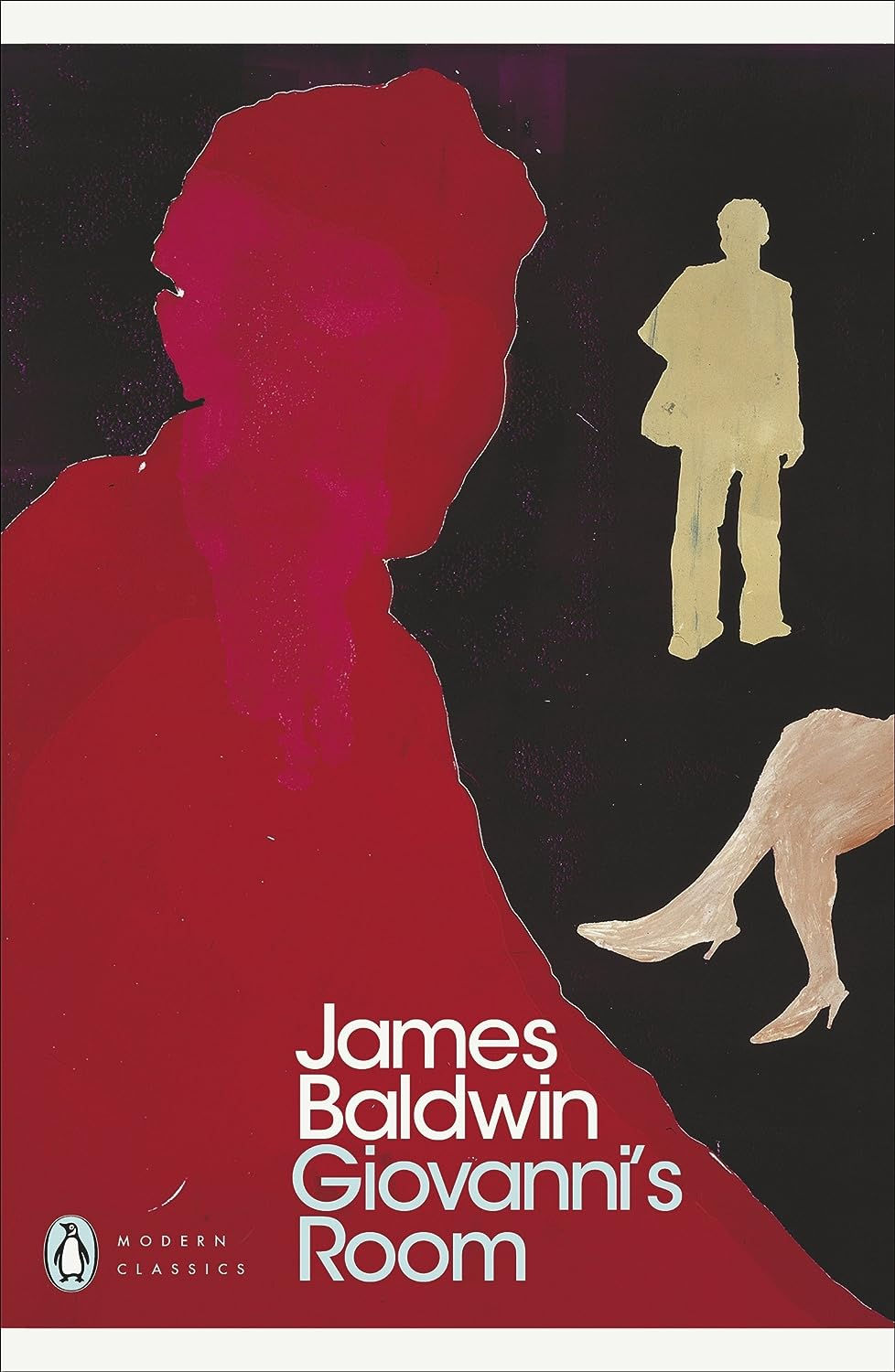
"Giovanni's Room" by James Baldwin : Published in 1956, "Giovanni's Room" is a powerful and groundbreaking novel that explores themes of love, identity, and sexuality. Set in Paris, the novel follows the story of David, an American expatriate, as he navigates his relationships with both a woman named Hella and a man named Giovanni. Baldwin's prose is lyrical and evocative, capturing the complexities of desire and the search for belonging. Despite its critical acclaim, "Giovanni's Room" remains relatively overlooked in Baldwin's oeuvre, making it a hidden gem for readers interested in exploring themes of LGBTQ+ identity and human connection.
"The Man Who Was Thursday" by G.K. Chesterton : "The Man Who Was Thursday" is a thrilling and thought-provoking novel that defies easy categorization. First published in 1908, the novel follows the story of Gabriel Syme, a poet who infiltrates a secret anarchist organization in London. As Syme delves deeper into the group's activities, he discovers a web of intrigue and deception that challenges his perceptions of truth and reality. Chesterton's wit and ingenuity shine through in this gripping tale of adventure and philosophical inquiry. Despite its literary merit, "The Man Who Was Thursday" remains somewhat overlooked in Chesterton's body of work, making it a hidden gem for readers seeking a thought-provoking and entertaining read.

"The Good Earth" by Pearl S. Buck : "The Good Earth" is a classic novel that transports readers to rural China at the turn of the 20th century. Published in 1931, the novel follows the story of Wang Lung, a poor farmer who rises to wealth and power through hard work and determination. Buck's vivid descriptions and keen insight into Chinese culture and society earned her the Pulitzer Prize for Fiction in 1932, yet "The Good Earth" remains somewhat underrated in the literary canon. Nevertheless, its timeless themes of family, tradition, and the human connection to the land make it a hidden gem worth discovering for readers interested in exploring the
complexities of the human experience.

"The Night Circus" by Erin Morgenstern : "The Night Circus" is a mesmerizing and enchanting novel that captivates readers with its evocative prose and imaginative storytelling. Published in 2011, the novel follows the story of two young magicians, Celia and Marco, who are bound together in a magical competition that takes place within a mysterious circus that only appears at night. Morgenstern's lush descriptions and intricate world-building create a sense of wonder and awe, drawing readers into a world of magic and mystery. Despite its commercial success, "The Night Circus" remains somewhat overlooked in the fantasy genre, making it a hidden gem for readers seeking a spellbinding and immersive read.

"The House of Mirth" by Edith Wharton : "The House of Mirth" is a tragic tale of love, ambition, and social class set in New York City's Gilded Age. Published in 1905, the novel follows the story of Lily Bart, a beautiful and ambitious young woman who navigates the intricacies of high society in her quest for wealth and social status. Wharton's incisive social commentary and nuanced characterizations offer a scathing indictment of the moral bankruptcy of the upper class. Despite its initial success, "The House of Mirth" remains somewhat overshadowed by Wharton's more famous works, such as "The Age of Innocence." Nevertheless, its exploration of themes such as wealth, privilege, and the price of conformity make it a hidden gem worth discovering for readers interested in the complexities of American society.

The world of literature is filled with hidden treasures waiting to be unearthed—works that have been overlooked, forgotten, or marginalized by the passage of time. From the quiet brilliance of "Stoner" to the sweeping epic of "The House of the Spirits," these forgotten classics offer readers a glimpse into worlds both familiar and strange, challenging us to confront uncomfortable truths and explore the depths of the human experience. By rediscovering and celebrating these hidden gems, we enrich our understanding of literature and ensure that the voices of the past continue to resonate in the present and inspire future generations of readers and writers alike.

Comments